When to refresh your business network: a 2026 guide for Australian SMEs
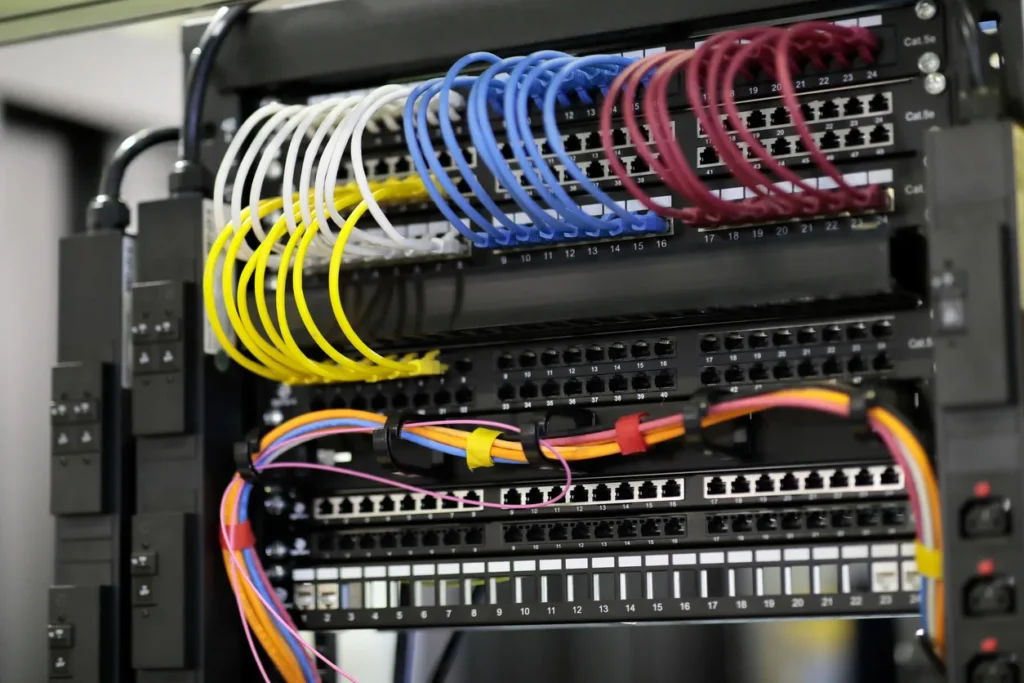
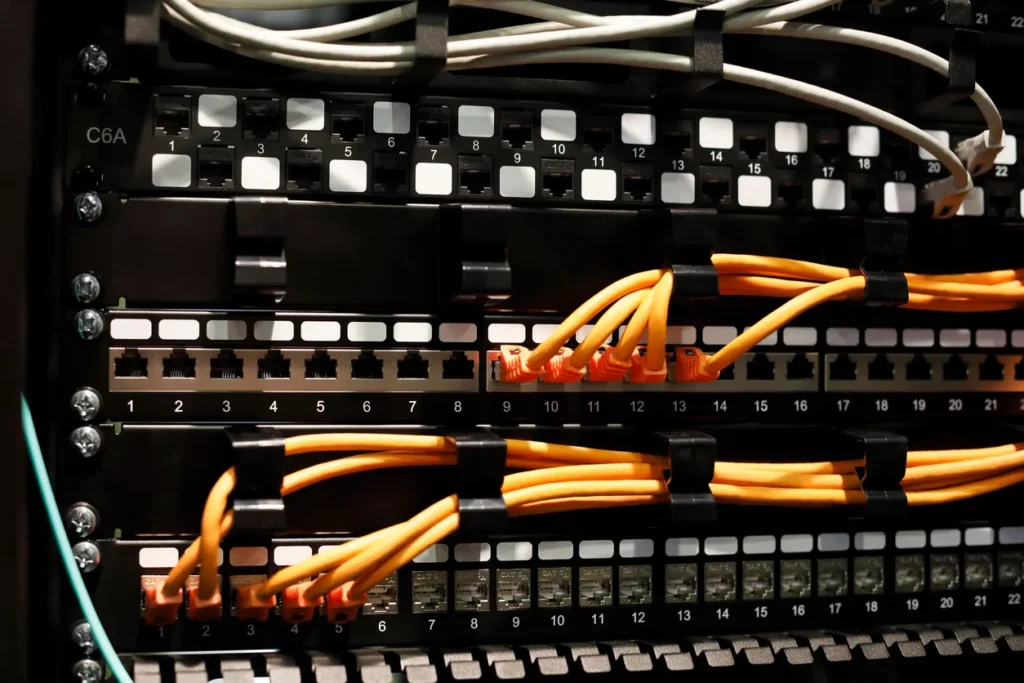
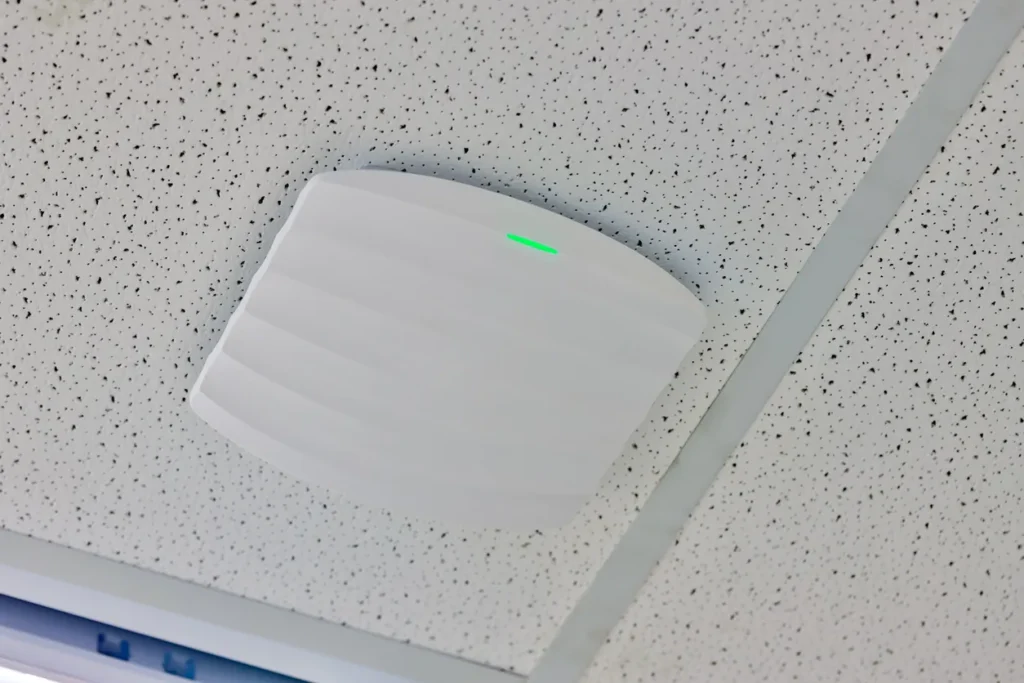
Insights & News When to refresh your business network: a 2026 guide for Australian SMEs May 4, 2026 Most Australian SMEs should refresh their core networking infrastructure (switches, access points, firewalls) every 5-7 years, with replacement triggered earlier when end-of-vendor-support hits, when business growth exceeds capacity, or when security capabilities the network can’t deliver become important. As of 2026, Wi-Fi 6 is the practical default for new deployments, Wi-Fi 7 is available where the budget supports it, and aging firewalls running unsupported firmware are the single most common gap we see during network audits. The right refresh balances current capacity, future growth, security capability, and the realistic budget cycle of an Australian SME. Key facts Typical SME network refresh cycle: 5-7 years for switches and access points, 4-6 years for firewalls (which lose vendor support faster). Wi-Fi 6 (802.11ax) is the practical default for new deployments in 2026; Wi-Fi 7 is available but more expensive and benefits a narrow set of use cases. Most current-generation business APs (UniFi U7, Aruba Instant On, Meraki MR series) support Wi-Fi 6 or 6E at AU$300-700 per AP ex GST. Aging firewalls running end-of-life firmware are the most common SME network security gap; the OS no longer receives security patches. Structured cabling (the physical wiring) typically lasts 15-20+ years if installed properly; refreshes usually only need new electronics, not new cable. Cat 6A is the practical structured cabling default for new SME builds in 2026, supporting up to 10 Gbps over 100m. How long does a business network last? Different network components have different practical lifespans, driven by a mix of vendor support cycles, capacity demands, and security capability requirements. Structured cabling (the physical wiring inside walls and ceilings) typically lasts 15-20+ years if installed correctly. SMEs running on Cat 5e cabling from 15 years ago are usually fine for current 1 Gbps switching; Cat 6 installed since 2010 supports 10 Gbps over short runs. New builds should use Cat 6A as a future-proofing baseline. Switches (the boxes that connect ethernet cables) last 7-10 years technically, but vendor support typically ends 5-7 years after release. Switches running unsupported firmware become a security and reliability risk regardless of whether they’re “still working.” Wireless access points have shorter cycles, typically 4-6 years, driven by Wi-Fi standard transitions. Wi-Fi 5 (802.11ac) APs deployed in 2018-2020 are mostly approaching practical end of life in 2026 due to capacity limits as device counts and per-device throughput have increased. Firewalls have the shortest cycle: 4-5 years typically, sometimes shorter. Firewall firmware ages fast as new threat patterns emerge, and vendors push major architecture changes faster than they do for switching. Aging firewalls also accumulate technical debt in firewall rules that becomes expensive to migrate. What triggers a network refresh besides age? Four scenarios that can trigger refresh earlier than the natural cycle. Vendor end of support. When the vendor stops issuing firmware updates and security patches, the device is effectively end of life from a security perspective. Continuing to run it exposes the business to unpatched vulnerabilities. Cisco, Aruba, Fortinet, and Sophos all publish end-of-support timelines well in advance; checking these annually is sensible. Capacity exceeded. User counts grew, video conferencing increased, IoT devices proliferated, and the network can no longer keep up. Symptoms include consistent slow Wi-Fi, frequent application timeouts, and meeting drops. Capacity planning is much cheaper before users start complaining than after. Security capability gap. The business needs capabilities the current network can’t deliver: VLAN segmentation, network access control, Zero Trust Network Access, threat intelligence integration, encrypted DNS, application-layer filtering. Older equipment often can’t be upgraded to provide these features. Building or office change. Moving offices, expanding floor space, or significant building renovation is a natural refresh trigger. Better to install current-generation infrastructure during the move than to migrate old equipment that you’ll have to refresh in two years anyway. What’s the difference between Wi-Fi 6, 6E, and 7? The Wi-Fi standards naming is genuinely confusing. The summary version: Wi-Fi 6 (802.11ax) is the practical default for SME deployments in 2026. Major improvements over Wi-Fi 5 include better performance with high client counts (most relevant for SMEs), lower latency, and improved power efficiency for IoT devices. Wi-Fi 6 operates on 2.4 GHz and 5 GHz bands. Wi-Fi 6E adds the 6 GHz band to Wi-Fi 6, providing more channels and less interference but only useful for clients that support Wi-Fi 6E (mostly devices from 2022 onwards). For SMEs, the 6E benefit comes when you have a meaningful number of newer laptops and phones. Wi-Fi 7 (802.11be) is the new standard, available in production hardware from late 2023. Major improvements include multi-link operation (using multiple bands simultaneously), wider channels, and substantially higher peak throughput. The practical benefit for typical SMEs is currently modest, since most client devices are still Wi-Fi 6/6E. Wi-Fi 7 makes more sense for new deployments where the future-proofing value justifies the higher AP cost. For most SMEs refreshing in 2026, Wi-Fi 6 access points (often AU$300-500 per AP from vendors like UniFi, Aruba Instant On) hit the right balance of capability and cost. Wi-Fi 6E is reasonable if budget allows. Wi-Fi 7 makes sense for new SMEs prioritising long-term future-proofing or for organisations with high-density video collaboration needs. What should a typical SME network look like in 2026? For a 30-50 person SME in a single office, the practical 2026 baseline: Firewall. A current-generation business firewall with active threat intelligence, application-layer filtering, and SSL inspection capability. Sophos XGS, Fortinet FortiGate, or Meraki MX series, sized to actual throughput needs. Annual subscription for threat intelligence is mandatory rather than optional. Core switch. A Layer 2/3 switch supporting VLAN segmentation, PoE+ for access points and IP phones, and 10 Gbps uplinks. UniFi Pro switches, Aruba Instant On, or Meraki MS series in this segment. Access points. Wi-Fi 6 (or 6E) APs deployed for coverage and capacity, ideally one AP per 1500-2500 sq ft for typical office density. Centralised management via UniFi Network, Aruba Central, or