
4iT IT Support Sydney | Your Reliable Sydney IT Support Partner

Home | Solutions | Ransomware Recovery

Ransomware Recovery Sydney | Restore Without Paying the Ransom

Ransomware recovery is the process of getting your business running again after an attack encrypts or destroys your data, by restoring from clean, uncompromised backups rather than paying the ransom. It sits within the broader backup and disaster recovery program, but deserves its own focus because the attacker changes how recovery must be designed. Whether recovery is fast or catastrophic comes down almost entirely to what you put in place before the attack: immutable backups, a tested recovery plan, and the ability to rebuild without trusting anything the attacker touched. 4iT helps businesses across Greater Sydney prepare for and recover from ransomware.

Sydney MSP

Greater Sydney, NSW

pay the ransom
$ 0

Immutable

backups attackers can't touch

Hours

recovery with proper preparation

Tested

proven before you need it

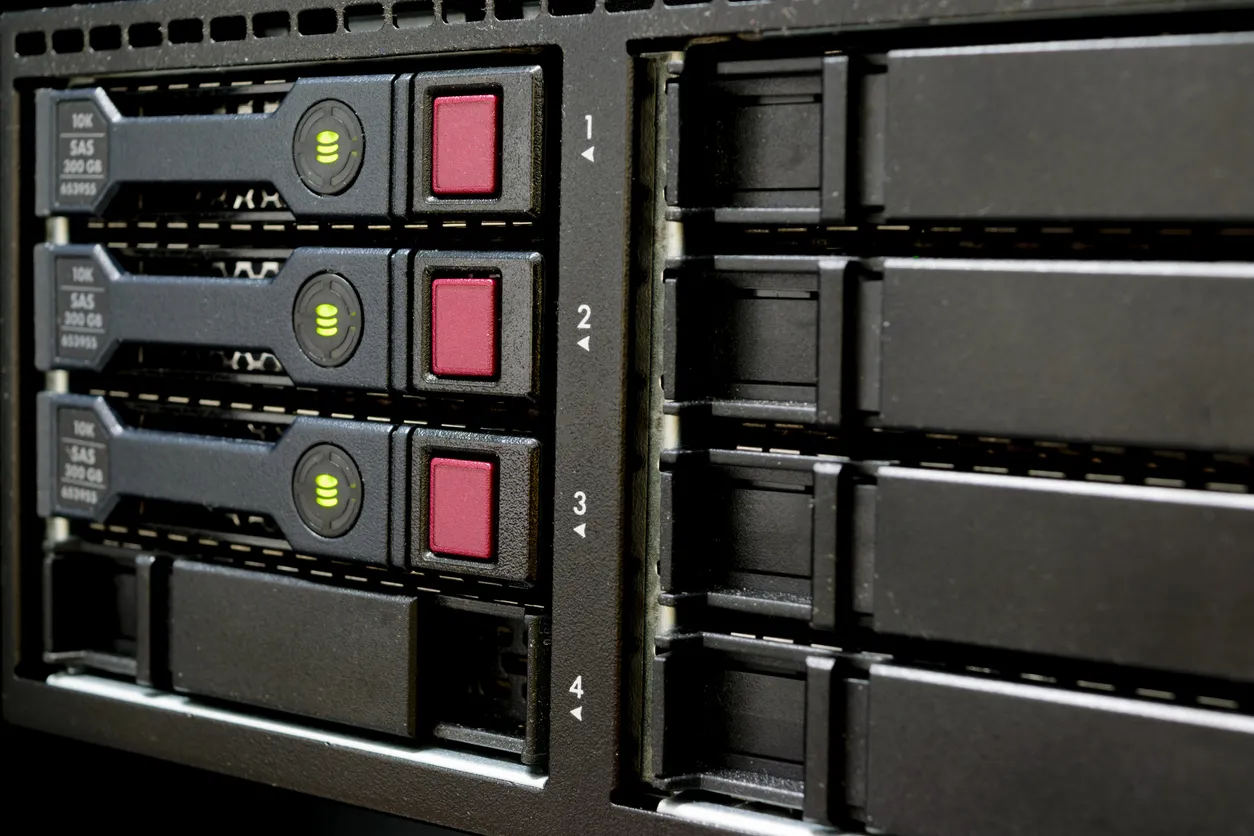
Server hardware and backup storage in a Sydney office representing ransomware recovery

Key facts

  • Ransomware recovery means restoring from clean backups, not paying the ransom, which never guarantees your data back.
  • Modern ransomware targets backups first, so immutable, air-gapped copies are what make recovery possible.
  • The speed of recovery is decided before the attack, by the backup design and a tested recovery plan.
  • Recovery also means rebuilding cleanly, since systems the attacker accessed cannot be trusted afterwards.
  • Notifiable data breaches in Australia may need to be reported under the Privacy Act 1988 and the Notifiable Data Breaches scheme.

What does ransomware recovery actually involve?

Ransomware recovery involves isolating the affected systems, confirming you have a clean backup the attacker did not reach, rebuilding systems from a trusted state, and restoring data from those clean backups. It is not simply “restore the files,” because the environment itself has been compromised, so parts of it must be rebuilt rather than trusted. The goal is a clean recovery, not a return to the same compromised state.

This is why preparation matters more than the response itself. A business with immutable backups and a tested recovery plan treats ransomware as a serious but survivable event: isolate, rebuild, restore, resume. A business without those things faces an impossible choice between paying criminals with no guarantee of getting data back, and losing it entirely. The work that determines which situation you are in happens long before any attack.

Why does paying the ransom not work?

Paying the ransom is unreliable and risky on every level. There is no guarantee the attacker provides a working decryption key, decryption is often slow and incomplete even when they do, and paying marks you as a business willing to pay, inviting repeat attacks. It also funds criminal operations and, in some cases, can carry legal and regulatory consequences.

The only reliable path back is your own clean backups, which is why attackers work so hard to destroy them first. A business that can restore from immutable, air-gapped copies has no reason to pay, because it already holds what the attacker is trying to sell back. Investing in recoverable backups is, in effect, investing in never being in a position where paying looks like the only option.

How do you prepare so recovery is possible?

Preparation rests on three things: immutable backups the attacker cannot encrypt or delete, a tested recovery plan so you know the steps and timing, and the security controls that reduce the chance of an attack landing in the first place. Backups make recovery possible; the recovery plan makes it fast; security reduces how often you need either.

This connects ransomware recovery to the wider security picture. Strong managed IT security, including endpoint protection and multi-factor authentication, lowers the odds of a successful attack, while immutable backups and tested recovery ensure that if one does get through, it is a bad day rather than the end of the business. We design both sides together, because prevention and recovery are two halves of the same problem.

Frequently Asked Questions

If you have clean, uncompromised backups, yes, recovery is very likely. If the only copies were reachable and encrypted by the attacker, recovery may be impossible without them, which is exactly why immutable backups matter. The honest answer depends entirely on what was in place beforehand, so the best time to act is before an attack, not during one.

Paying is a last resort with no guarantees and real downsides: no certainty of getting data back, a target painted on you for repeat attacks, and the funding of criminals. The far better position is having clean backups so paying is never necessary. If you are already in an incident with no recoverable backups, that becomes a difficult business and legal decision best made with expert and possibly legal advice.

Possibly. If the attack involves a data breach affecting personal information and is likely to result in serious harm, it may be notifiable under the Privacy Act 1988 and the Notifiable Data Breaches scheme. Reporting obligations depend on the specifics, so this is an area where you should get proper advice during an incident rather than assume one way or the other.

It varies widely depending on the scale of the attack and, crucially, how well prepared you were. A business with immutable backups, a tested recovery plan, and possibly DRaaS can be back in hours to a day or two. A business improvising without those things can be down for weeks, or never fully recover. Preparation is the single biggest factor in recovery time.

If you are not confident your business could recover from a ransomware attack without paying, that is worth pressure-testing now while you have the luxury of time. We are happy to review your backups and recovery readiness and tell you straight whether they would hold up.

Ready to Talk to a Sydney IT Specialist?

4iT Support covers SMEs across Greater Sydney including the Hills District, North Shore, Parramatta, and the CBD. No lock-in contracts. Straight answers.

Scroll to Top