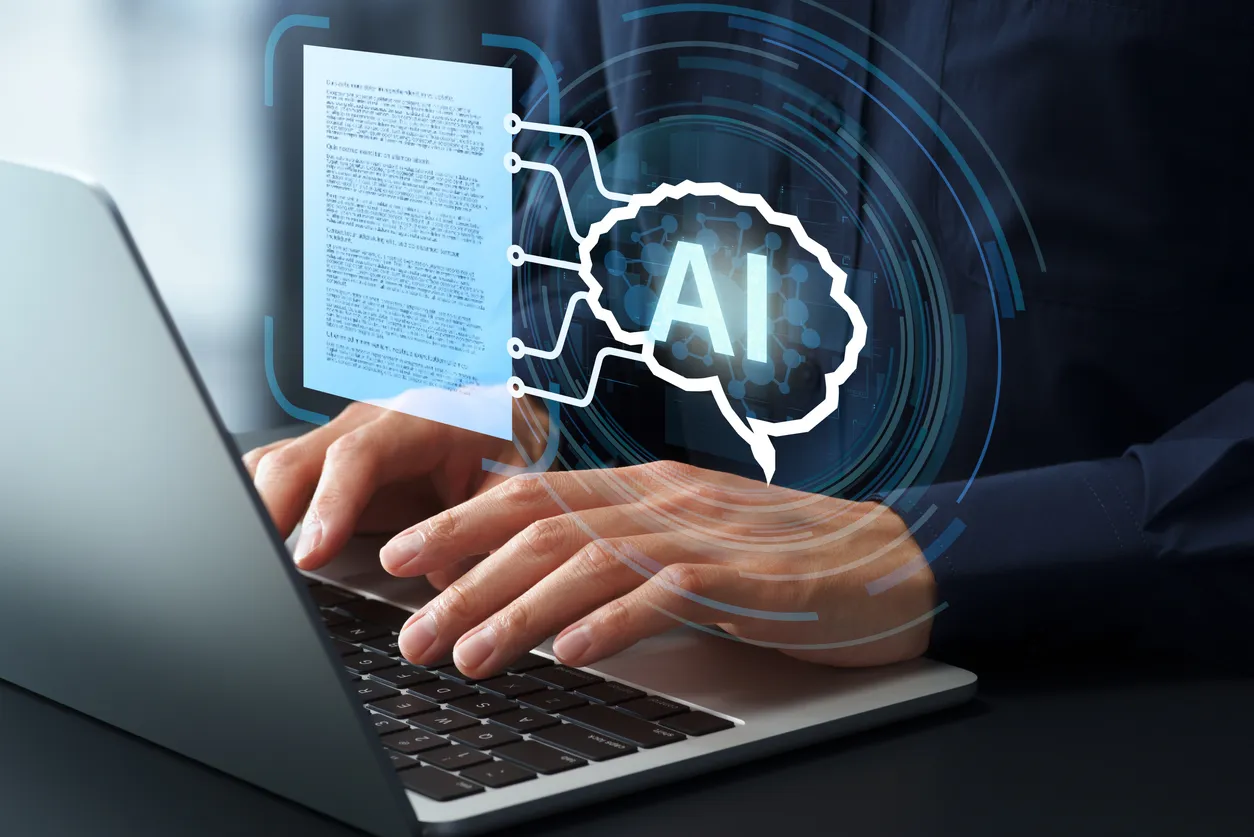
AI for business, for an Australian SME, means using artificial intelligence to remove routine work and speed up decisions, starting with a few specific tasks rather than a grand transformation. The practical wins in 2026 are drafting, summarising, finding information, and routing enquiries, all with a person still checking the output. You do not need to be a tech company to benefit, but you do need to be deliberate about where you apply it.
Key facts
- Australian SME AI adoption reached 44% in February 2026, up from around 37% a year earlier (National AI Centre).
- The ABS Business Characteristics Survey 2024-25 found small business AI adoption was almost five times higher among businesses that were actively innovating.
- Content generation and data analytics were the two leading SME use cases, each cited by 54% of adopters.
- Australian workers report average weekly time savings of four to six hours from AI, though most businesses do not measure the reinvestment.
- A majority of Australians use AI but only about a third trust it, so customer-facing use needs care.
- Privacy Act 1988 obligations still apply when business or customer data goes into an AI tool.
What does AI for business look like day to day?
For most SMEs, AI shows up as an assistant that drafts, summarises, and finds things faster, not as a robot running the business. That means first drafts of emails, proposals, and reports; summaries of long documents or meeting notes; answers pulled out of years of accumulated files; and inbound enquiries sorted and routed to the right person. The output is not perfect, which is why a human reviews it. The value is in cutting the time from blank page to good-enough draft, and that time adds up across a week.
Which tasks give the fastest return?
The fastest return comes from high-frequency, low-stakes tasks where a rough first draft saves real time. Writing and editing routine communications, turning notes into structured documents, categorising and tagging information, and answering common internal questions all qualify. The ABS data makes the pattern clear: adoption pays off for businesses that use it deliberately, not for those that dabble. In our experience the SMEs that see value pick one recurring task, get their team comfortable with it, then move to the next, rather than rolling out ten tools at once and overwhelming everyone.
What are the risks, and how do you manage them?
The main risks are data leaking into consumer tools, staff trusting AI output too much, and using AI where customers expect a human. Managing them is mostly common sense: keep client and business data out of free consumer chatbots, choose tools with proper business data-handling terms, and keep a person accountable for anything that goes to a customer or involves money. The trust gap matters commercially too, since only about a third of Australians trust AI, so AI-generated customer communications that feel robotic can do more harm than good. A short written AI use policy, which we help clients put together, heads off most of these problems before they start.
How should an SME get started with AI?
Start by picking one repetitive task, trialling an AI tool on it for a few weeks, and measuring the time saved before expanding. Do not begin with a company-wide rollout or a large platform commitment. Choose a task that happens often, carries low risk if the first draft is rough, and currently eats a chunk of someone's week. Set a simple before-and-after measure so you know whether it worked. If it does, move to the next task; if it does not, you have lost very little. That measured, one-task-at-a-time approach is the difference between AI and automation that pays for itself and AI that becomes shelfware.
Frequently asked questions
Is AI useful for a small business, or is it hype?
It is useful when applied to specific, frequent tasks like drafting and summarising, and it is hype when treated as a magic fix for everything. The Australian adoption data shows real value, but concentrated among businesses that use it deliberately. Pick a narrow task, measure the result, and judge from there.
Do I need expensive tools to use AI in my business?
No. Many useful AI capabilities are available in tools SMEs already pay for or in low-cost subscriptions. The cost that matters is usually the time to set it up well and train your team, not the software licence. Starting small keeps that cost low.
Is it safe to put my business data into AI tools?
It depends entirely on the tool. Consumer chatbots are a poor place for client data because you lose control of where it goes, while business-grade tools with proper data-handling terms are much safer. Either way, your Privacy Act 1988 obligations still apply, so choosing the right tool and setting a use policy matters.
Will AI replace my staff?
For most SMEs the realistic outcome is AI removing routine work so staff spend more time on the parts of their job that need a person, not wholesale replacement. The time savings are real, four to six hours a week on average, but the value comes from reinvesting that time well. That is a management decision, not something the technology decides for you.
If you want to try AI in your business but are not sure where to start, we can help you pick the one task that will pay off first. At 4iT we run an honest assessment, set a clear measure of success, and keep your data properly governed along the way.